
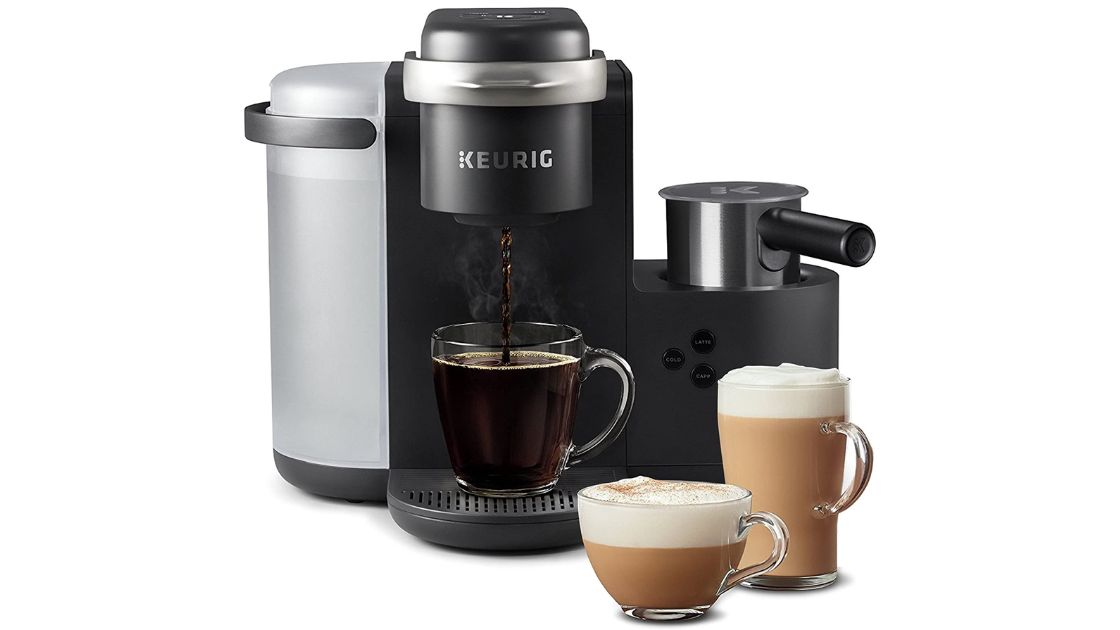
How to Descale Your Keurig K-Cafe Machine: Easy Cleaning Tips
Maintaining your Keurig K Cafe coffee machine properly is crucial not only for the best tasting cup of coffee but also to extend the lifespan of your beloved brewer. Over time, calcium and other minerals can build up in your coffee machine, leading to possible clogs and suboptimal performance. This is why descaling, a process often neglected by many, should be an integral part of your Keurig’s maintenance routine. Although the machine might seem to be in perfect working condition, regular descaling ensures it stays that way.
The process of descaling your Keurig K Cafe is straightforward and requires minimal time and effort. By integrating this practice regularly, you can keep your machine running smoothly and efficiently. Moreover, it’s not necessary to be an expert at maintenance; equipped with the right instructions and tools, anyone can ensure their Keurig remains in top condition. So, take the advice from those who know coffee inside out and give your Keurig the care it deserves.
Key Takeaways
- Regular maintenance, including descaling, is essential for optimizing the performance and longevity of your Keurig K Cafe.
- Descaling is a simple process that can prevent mineral buildup and keeps your coffee tasting great.
- Following a maintenance guide can make descaling an easy addition to your coffee routine.

Summary: How To Descale Your K Cafe Machine
- Start: Fill tank with descaling solution.
- Enter Mode: Hold the 8oz and 10oz buttons (3 sec).
- Run Cycle: Press 12oz to empty tank.
- Rinse: Repeat with water.
- Time: ~45 minutes.
- For details: the full step-by-step descaling guide.
What is Descaling?
Descaling is the process of removing mineral deposits, known as limescale, from the heating elements of coffee machines. These deposits primarily consist of calcium and magnesium from water used to brew coffee. Over time, these minerals build up and can impact the machine’s performance and the taste of the coffee.

Key Points:
- Limescale forms from water minerals.
- Descaling ensures optimal machine function.
- Regular maintenance is crucial for taste and longevity.
How Often Do You Need to Descale Your Keurig K Cafe Machine?
Maintaining a Keurig K Cafe machine involves regular descaling to ensure its longevity and performance. The frequency of this maintenance varies based on a few factors, such as water hardness and usage. Manufacturers suggest descaling every three to six months for optimal care—however, the more precise schedule depends on individual circumstances.
For those living in areas with high mineral content in the water, or for avid coffee drinkers, the machine might require descaling more often. A simple routine can help determine the right schedule:
- Assess water hardness: Higher mineral content means more frequent descaling.
- Monitor usage: More cups per day necessitates more regular maintenance.
Refer to the table below to gauge descaling needs based on the number of cups brewed daily:
| Number of coffees per day | Descale Frequency |
|---|---|
| 1-2 | Every 3 months |
| 3-4 | Every 3 months |
| 5-8 | Every 2 months |
| 8-10 | Every month |
Keurig machines sometimes come equipped with a helpful feature—an alert system. For the K Cafe, this takes the form of a message on the touchscreen, kindly reminding users it’s time for descaling. Additionally, some models feature an orange indicator light as an extra nudge.
Besides descaling, keeping the Keurig water filter fresh is crucial for both coffee taste and machine care. Those looking to do so should check how to replace the Keurig water filter unit. By following these guidelines, coffee enthusiasts can ensure their Keurig K Cafe machine remains a reliable part of their daily routine.
How Does The Descaling Process Take?
- Duration: Approximately 45 minutes
What You Will Need:
Before starting the descaling process for a Keurig Cafe machine, gather the following items:
Descaling Solution: Purchase a descaling solution such as a Keurig-brand descaler or the The Green Pods Eco Descaler, which is compatible with multiple coffee machine brands and environmentally friendly.
Clean Tap Water: Have a sufficient amount of clean tap water ready for mixing with the descaling solution and to rinse the machine after descaling.
A 300ml/10oz Container: Choose either a jug, a bowl, or a large ceramic mug capable of fitting under the spout to catch the descaling solution during the process.
The Carafe: Utilize the carafe that is originally provided with the Keurig Cafe machine.
We use and recommend:
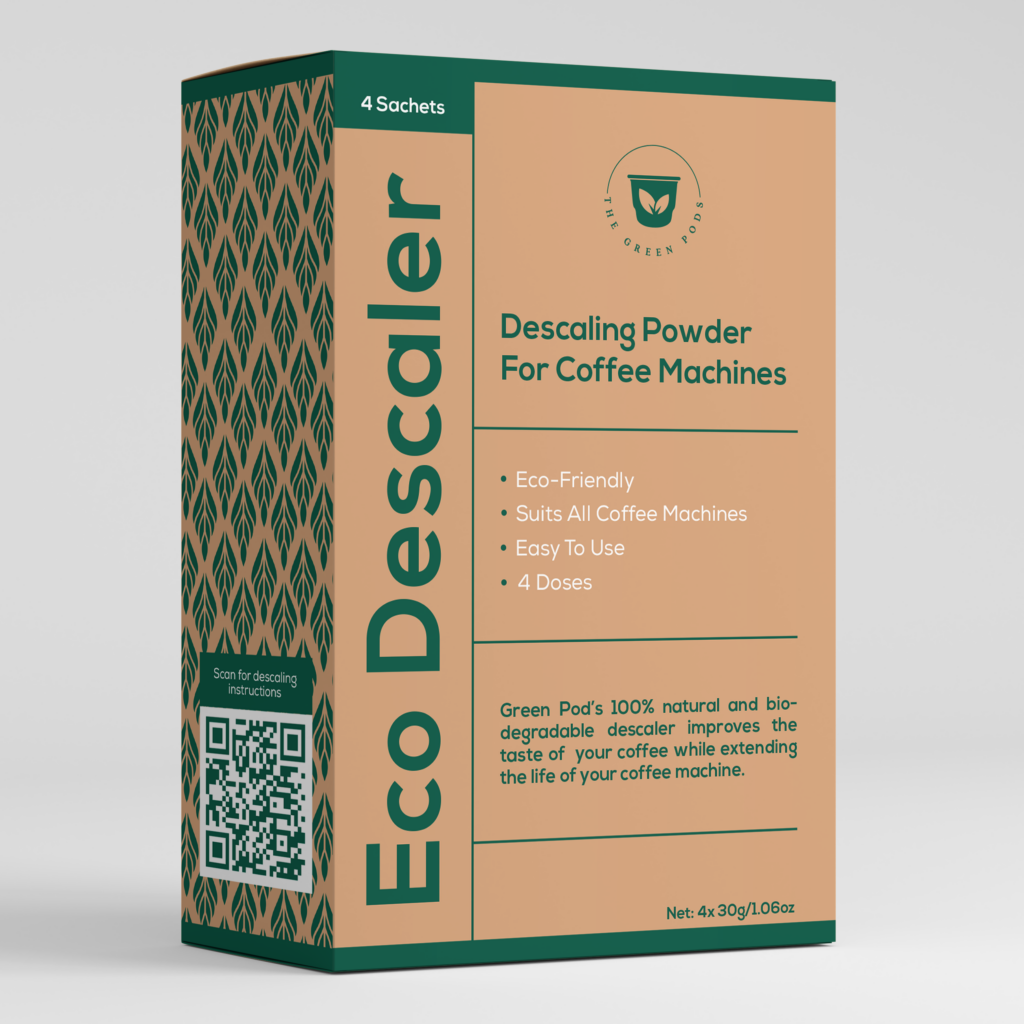
The Green Pods Descaler
39 VERIFIED reviews
The most effective and easy-to-use descaling product on the market.
$24.9 $17.95
Additionally, for a successful descale:
- Check the Machine: Ensure that no beverage pod is left in the K-Cup pod holder and remove the water filter before starting. It may be replaced with a new one after finishing the descaling process.
Remember to always follow the instructions provided with your chosen descaling solution to ensure the effectiveness and longevity of your Keurig Cafe machine.
A Step-By-Step Guide On How To Descale Your Keurig K Cafe Coffee Machine
Step 1: Exterior clean
One should start by wiping down the Keurig K Cafe coffee machine’s exterior to ensure it’s free of dust, grime, and grease. This is done using a wet cloth lightly dipped in a mild detergent. Immersing the machine in water should be avoided to prevent damage to the internal electronics and potential rust.
Step 2: Descaling Solution Rinse
Before beginning the descaling process, if a Keurig water filter is present, it’s recommended to remove and replace it. The water reservoir is then filled with an equal mixture of descaling solution and water. After ensuring that the machine is plugged in and powered on, with no capsule inside, one should initiate the descaling mode by pressing the “8oz” and “10oz” buttons simultaneously for 3 seconds until the descale light illuminates. Upon the “12oz” button and the “DESCALE” light flashing, the descaling process can be started by pressing the “12oz” button. After each cycle, the used solution in the mug is discarded. This step is repeated until prompted to add water, followed by allowing the machine to stand for five minutes.
Step 3: Fresh Water Rinse
The final step involves thoroughly flushing out any remaining descaling solution by filling the reservoir with fresh water up to the MAX FILL line. After placing an empty mug on the drip tray, a “Rinse Brew” is initiated. The “12oz” button is pressed when it starts flashing, releasing fresh water through the machine to rinse it. This is emptied and must be repeated at least 12 times to ensure a thorough rinse. Upon completion, the filter cartridge is reinserted, and the Keurig K Cafe machine will automatically exit descale mode.
Remember to follow these steps for a comprehensive cleaning session. For further assistance, there’s visual guidance and a video tutorial available.
How To Replace The Water Filter On Your Keurig K Cafe Machine
Maintaining your Keurig K Cafe Machine includes regularly replacing the water filter to ensure your coffee tastes fresh and is free of impurities. The process is straightforward and can be done quickly.
What You’ll Need:
- A new water filter cartridge, such as the K&J Keurig compatible filter pods
- Alternatively, the full Keurig cleaning kit, which includes two filter cartridges
- A glass of water for soaking
- Optionally, Descaling Powder for descaling purposes
Steps to Replace the Water Filter:
Soak the Filter:
- Take the new filter and place it into a glass of water for 5 minutes.
Remove Old Filter:
- Open the water reservoir and take out the plastic filter unit.
- Dismantle the unit and discard the used filter cartridge.
Clean the Unit:
- Rinse the mesh filter at the bottom of the unit to remove any trapped debris.
Rinse the New Filter:
- After soaking, rinse the new filter under running water to wash away any loose material.
Install the New Filter:
- Put the new filter into the filter unit’s base.
- Reassemble the unit and put it back into the reservoir.
Recommended replacement is every two months or whenever descaling the machine. If you need a visual guide, Keurig provides a helpful video on their official YouTube channel.

Key Takeaway:
With this simple process and regularly scheduled replacements, one ensures that each cup of coffee is as delicious as it should be.
Frequently Asked Questions And Issues:
Q. Why is there foam coming out from the coffee machine?
Foam can appear when descaling solutions react with the mineral deposits in the coffee machine. This is a common effect and is a sign that the solution is working as intended to remove those deposits.
Q. Is Your Keurig not filling correctly?
If after descaling, the Keurig brewer isn’t filling properly, ensure the machine is turned off and unplugged. Clean the reservoir, refill with water, and perform a Fresh Water Rinse cycle as outlined in the manufacturer’s instructions.
Q. Can you use vinegar instead of descaling solution?
While vinegar and commercial descaling solutions can both clean a coffee machine, vinegar has been known to remove scale in large flakes, potentially clogging the machine. Using a commercial descaling solution is a safer choice.
Q. What is a descaling solution made of?
Descaling solutions contain food-safe acids like acetic, citric, or lactic acid which help dissolve mineral buildup efficiently. Lactic acid is often preferred due to less impact on taste.
Q. Can you make your own descaling solution?
Creating a homemade descaling solution with ingredients like vinegar or citric acid is possible, but for best results and safety for your machine, commercial descaling products are advisable.
Q. Can I use any descaler in my K-Cafe Machine?
It is possible to use various descaling products in the Keurig K-Cafe machine, but it is imperative to follow the machine’s guidelines to ensure the correct amount is used.
Q. What happens if you don’t descale your coffee machine?
Not descaling your coffee machine leads to scale buildup within the pipes and can hamper water flow and heating, leading to suboptimal coffee extraction. In the long term, it might even cause the machine to fail.
Q. Is the descaling solution toxic?
Some descaling solutions, like Eco Descaler, are non-toxic and use food-safe citric acid. When selecting a descaling solution, it is essential to check the label, as some may contain harmful chemicals.
Q. Can you descale with baking soda?
Baking soda is not recommended for descaling coffee machines. It lacks the necessary acidic properties to effectively remove mineral buildup.
Final Thoughts And Recommendations
Regular maintenance of your Keurig K Cafe machine is crucial for optimal performance and ensures you enjoy the freshest possible coffee. Here’s a straightforward guide to keeping your machine in tip-top condition.
- Timing: Aim to descale every 2-3 months to prevent mineral buildup and maintain the machine’s functionality.
- Process: The descaling process is simple, taking roughly 45 minutes and includes both a descaling run followed by a rinse run.
- Decalcifier: While various decalcifying agents are available, an eco-friendly and cost-efficient option is the Green Pods Eco Descaler. This product offers a year’s supply and is gentle on your machine.
Below is a quick reference chart for the descaling process:
| Step | Action | Time |
|---|---|---|
| 1 | Add descaler | 5 min |
| 2 | Run descaling cycle | 20 min |
| 3 | Rinse and refill tank | 10 min |
| 4 | Run rinse cycle | 10 min |
Remember, proper care can prolong your Keurig’s life and enhance your coffee experience. The Green Pods Eco Descaler is compatible with a wide range of machines.
They welcome any additional tips for descaling coffee machines, so feel free to share your experience and knowledge about maintenance and care for these handy appliances.


